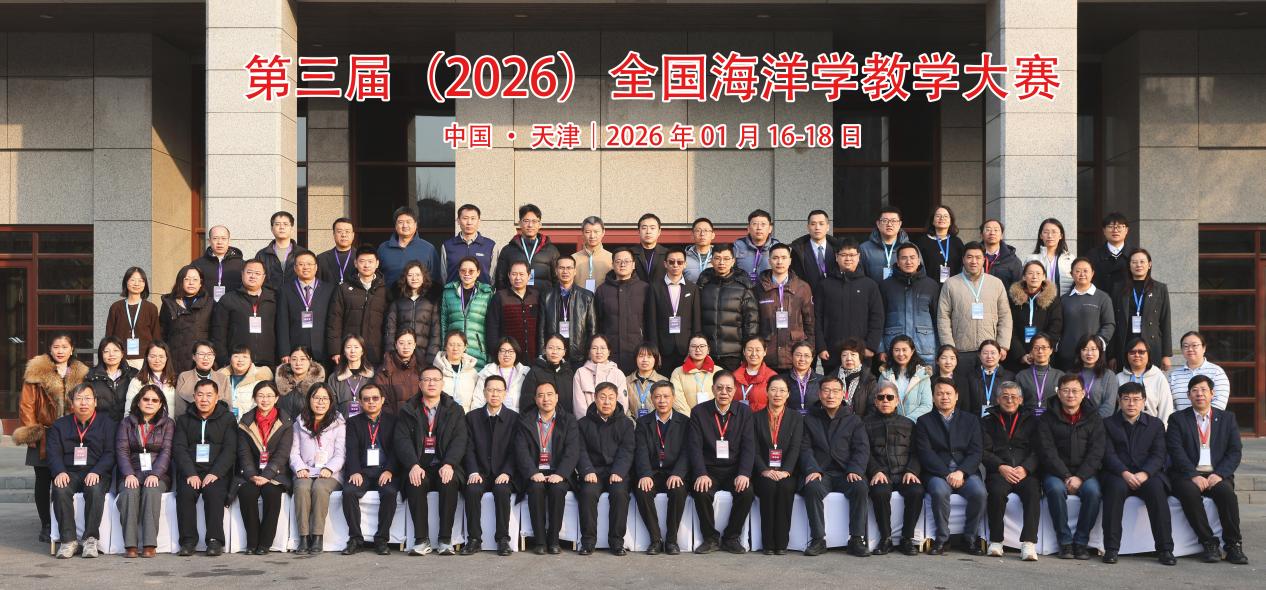


The 3rd (2026) National Oceanography Teaching Competition was held at Tianjin University of Science and Technology
On January 17–18, the Third (2026) National Oceanography Teaching Competition was held at Tianjin University of Science and Technology. Attendees at the opening ceremony included Gao Faming, Member of the Standing Committee of the Party Committee and Vice President of Tianjin University of Science and Technology; Chen Min, Deputy Director of the Ministry of Education’s Teaching Guidance Committee for Marine Science Majors; Zheng Xiangmin, Head of the Geosciences Collaborative Group of the Ministry of Education’s Virtual Teaching and Research Office; Wang Jianxin, Vice President of Zhejiang Ocean University; and Xin Yuanzheng, Deputy Director of the Office of Academic Affairs at Ocean University of China. Representatives from the university’s Office of Academic Affairs and the School of Oceanography and Environmental Sciences also attended the opening ceremony.
Organized by the Teaching Guidance Committee for Marine Science Programs under the Ministry of Education, the School of Oceanography and Atmospheric Sciences at Ocean University of China, and the National Virtual Teaching and Research Office for Oceanography Courses, and hosted by the School of Oceanography and Environment at Tianjin University of Science and Technology, the competition attracted nearly 100 representatives from more than 30 marine-related universities across the country to attend and observe.
In his opening remarks, Gao Faming extended a warm welcome to the attending experts and scholars on behalf of the university. He noted that the university is currently using the “Pioneer Plan” as a driving force to thoroughly implement the “3510” strategic initiative and is fully committed to advancing the development of a high-level research university. He emphasized that this National Oceanography Teaching Competition serves not only as a showcase of teaching skills but also as a high-level forum for deepening oceanography teaching reform and enhancing the quality of curriculum development, making it of great significance for the cultivation of marine talent. He emphasized that participating faculty should demonstrate the innovative vitality of “mutual growth through teaching and learning,” actively engage with the latest developments at the forefront of their disciplines, and innovate teaching methods to infuse classrooms with the vitality of education in the new era. They should also embody the academic spirit of “collaborative progress,” using the competition as a bridge for exchange and mutual learning to jointly explore new concepts and models for oceanography curriculum development, thereby pooling wisdom and contributing strength to the high-quality development of China’s marine education.
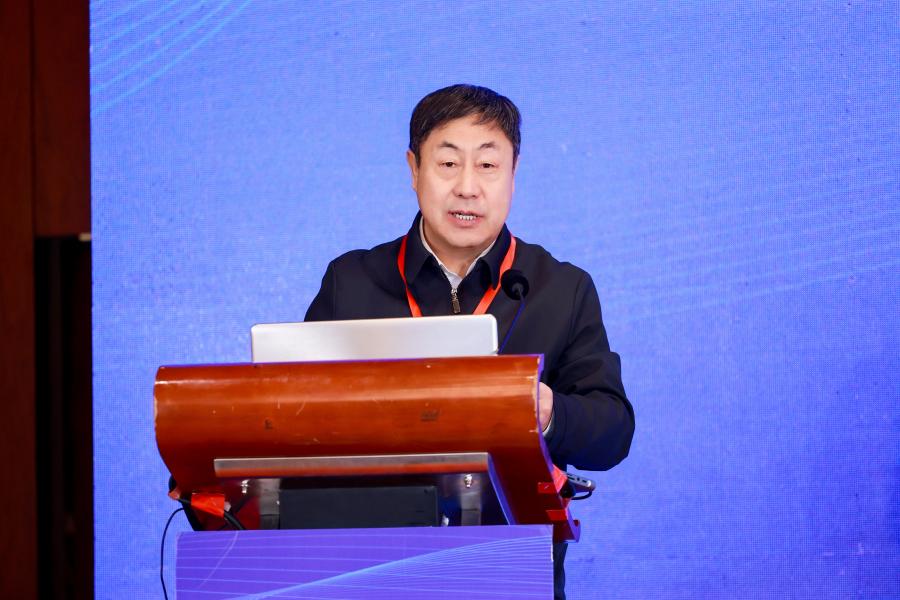
Chen Min pointed out that since its inception, the National Marine Science Teaching Competition has maintained a clear focus and distinct direction, becoming an important platform for showcasing teaching excellence, exchanging educational experiences, and advancing curriculum reform. Contestants must remain committed to the fundamental mission of fostering virtue and nurturing talent, firmly uphold a student-centered teaching philosophy, and integrate the transmission of knowledge, the cultivation of skills, and the enhancement of competencies throughout the entire teaching process. By using the competition to drive teaching and improve quality, we will bring more high-quality marine courses into the classroom and make every effort to build a high-quality marine education system for the future.
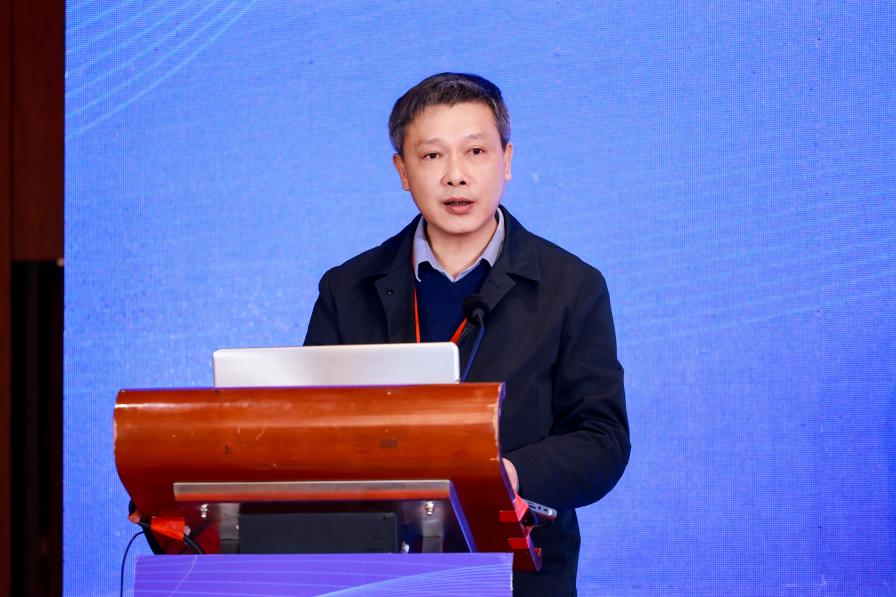
Zheng Xiangmin noted that teaching competitions serve as a vital means for teachers to hone their instructional skills and enhance the quality of teaching. This competition has established an excellent platform for innovation and exchange in oceanography course instruction, empowering the professional development of oceanography faculty while laying the groundwork for improving the quality of oceanography courses. The outstanding teaching achievements and best practices emerging from the competition will provide educators with fresh pedagogical insights, foster innovation in oceanography teaching methods, and drive a comprehensive improvement in the quality of oceanography education at universities.
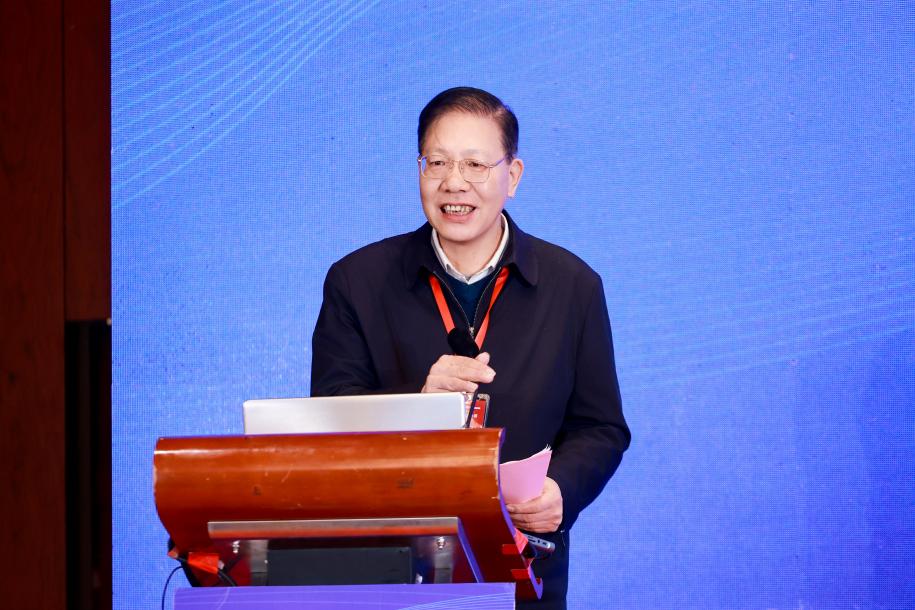
Xin Yuanzheng pointed out that the Oceanography Teaching Competition serves as a vital platform for faculty members from marine-related universities across the country to compete, learn from one another, and exchange insights. It showcases the teaching prowess of educators, fosters the exchange of educational philosophies, and facilitates the sharing of teaching achievements. The competition provides strong support for updating oceanography teaching philosophies, innovating teaching methods, and enhancing teaching quality, thereby injecting a steady stream of vitality into the cultivation of outstanding marine professionals.
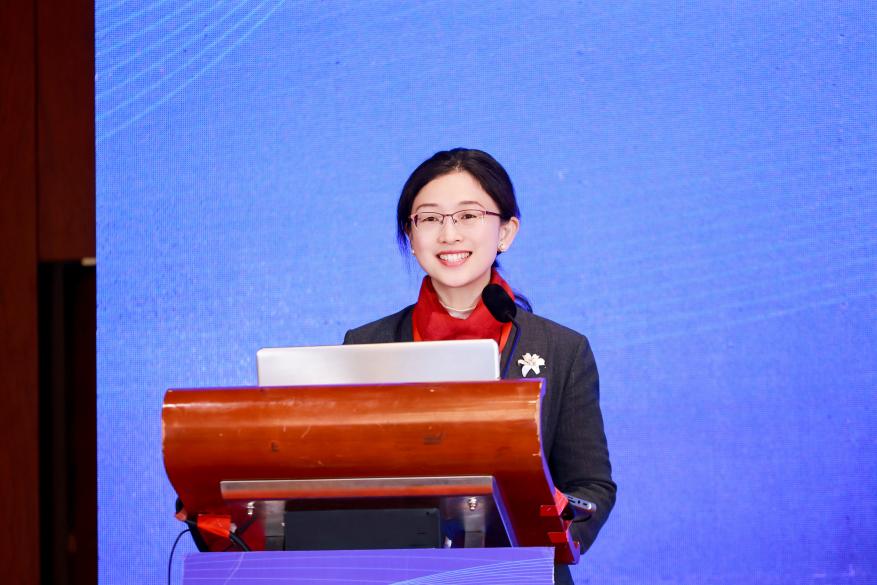
Following a process that included institutional nominations, submission of lesson plans, and expert evaluation, 33 teachers were ultimately selected to advance to the on-site finals. Ten renowned experts in the field of marine science from institutions including the Institute of Oceanology, Chinese Academy of Sciences; Ocean University of China; Xiamen University; and Zhejiang Ocean University were invited to serve as judges. During the competition, the judges provided individual feedback and guidance to the contestants and assigned comprehensive scores based on their teaching designs and on-site performance. Ultimately, seven first prizes, ten second prizes, sixteen third prizes, and sixteen excellence awards were awarded. Our university was awarded the Outstanding Organization Award, and Associate Professor Liu Haijiao from the School of Ocean and Environment received a First Prize. During the closing ceremony, a flag-handover ceremony was held, with Tianjin University of Science and Technology passing the competition flag to the next host institution—Zhejiang Ocean University.
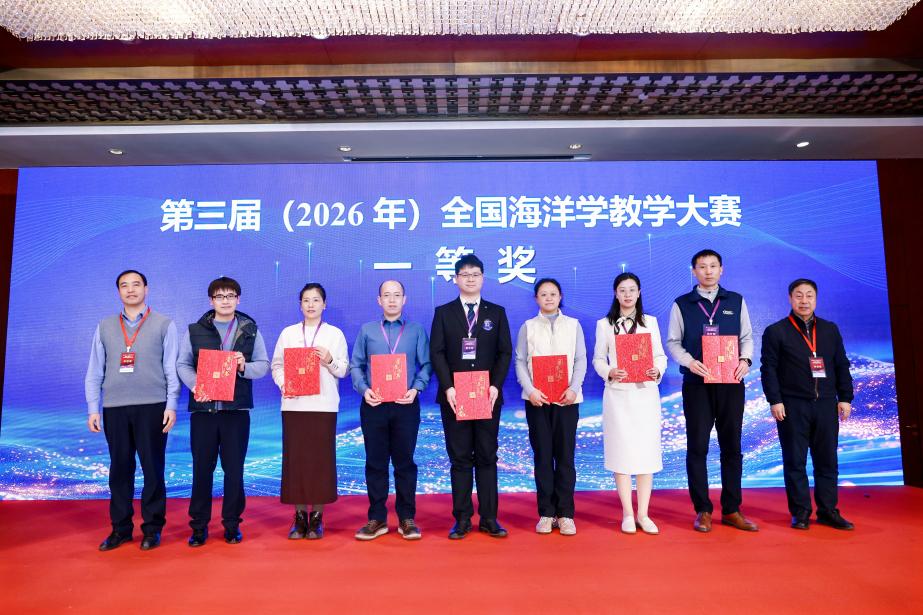
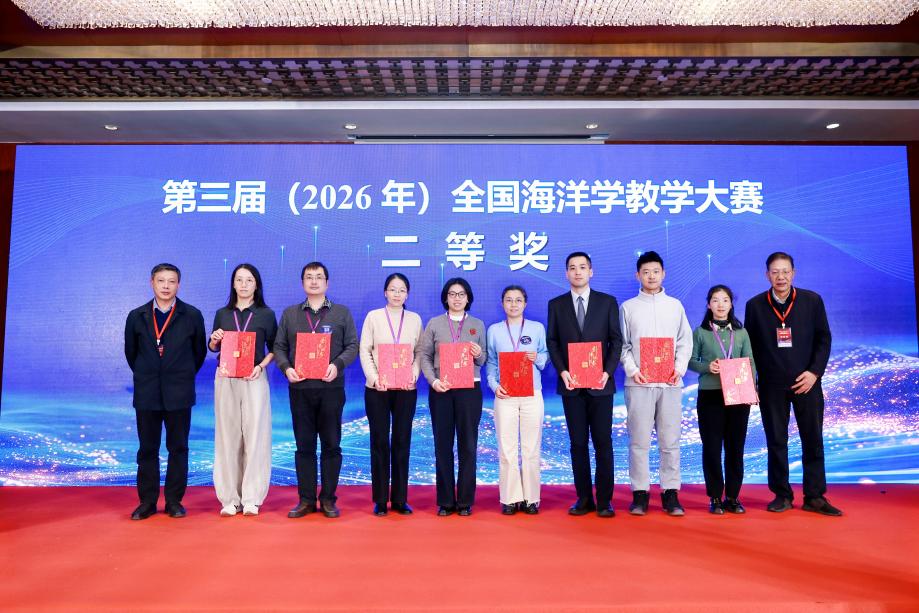
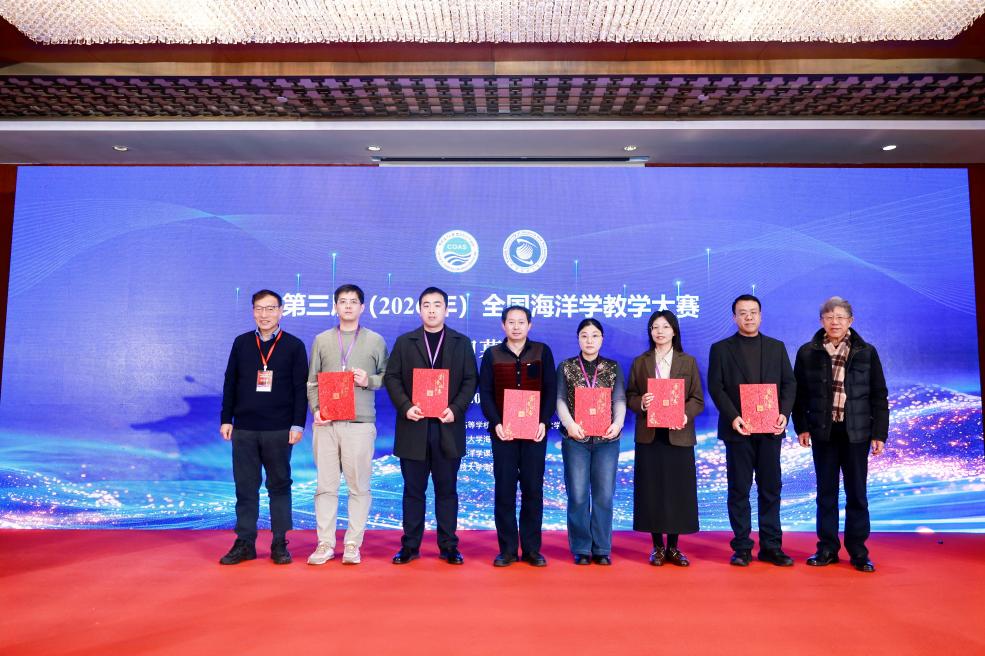
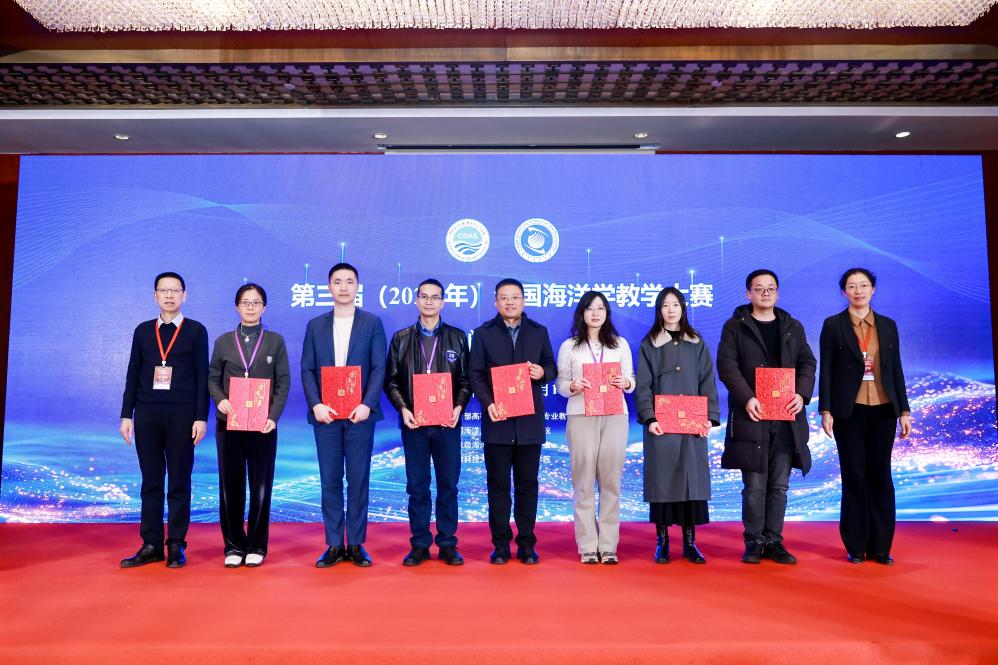
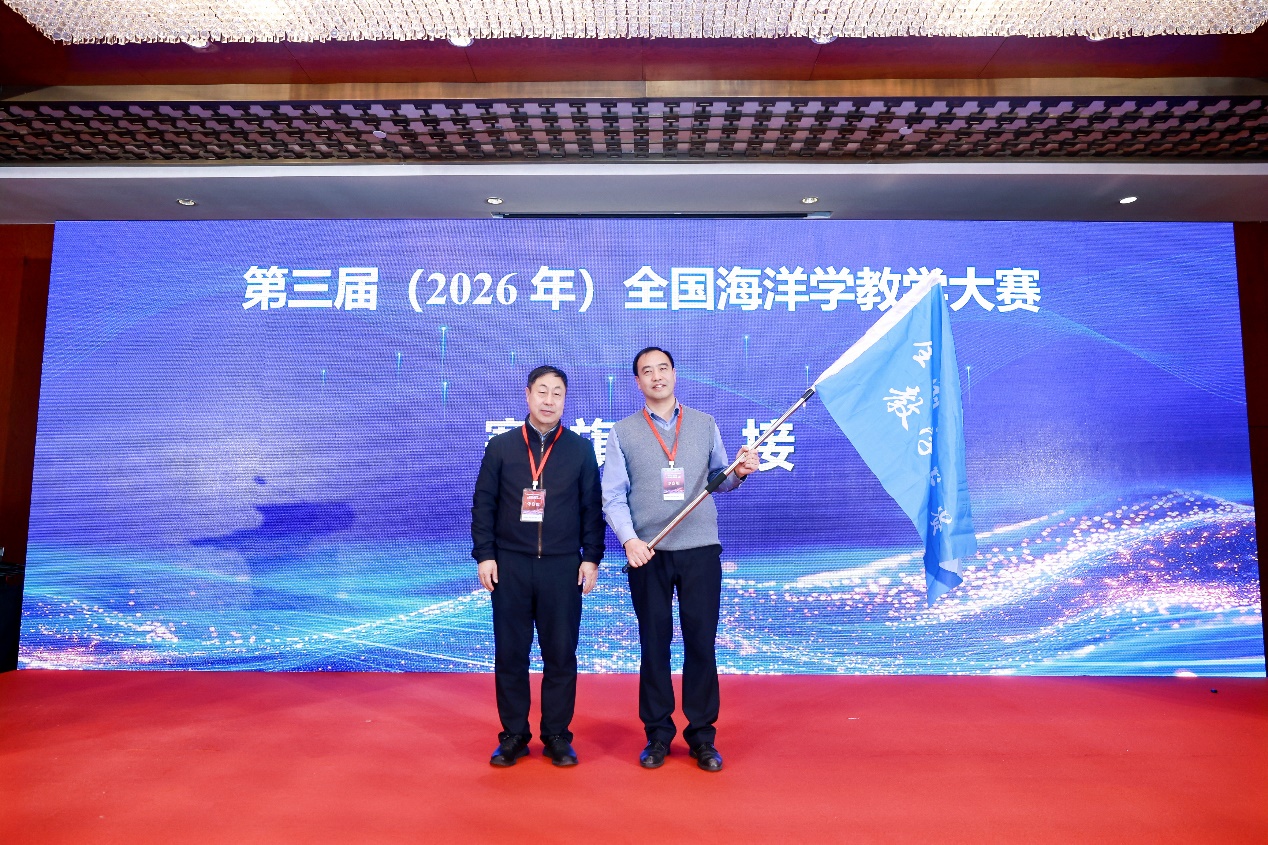
The successful hosting of the competition has effectively advanced the in-depth and substantive reform of oceanography education, highlighted the exemplary and guiding role of outstanding teachers and high-quality courses, and injected strong momentum into the cultivation of outstanding marine talent and the advancement of China’s development as a maritime power.